
We tend to think of air quality as something that matters outdoors — traffic, dust, smog — but the air we breathe for a third of our lives comes from much closer. Your pillow, for instance, sits just centimeters from your nose and mouth for hours every night. What it’s made of can quietly influence how well you breathe and how deeply you rest.
Traditional pillows, especially those filled with synthetic fibers or feathers, tend to accumulate dust mites, skin flakes, and moisture over time. These microscopic guests thrive in warm, humid environments and feed on the tiniest traces of organic matter. For sensitive sleepers or those with allergies or mild asthma, the result can be nasal congestion, morning headaches, or that familiar sense of waking up already tired.
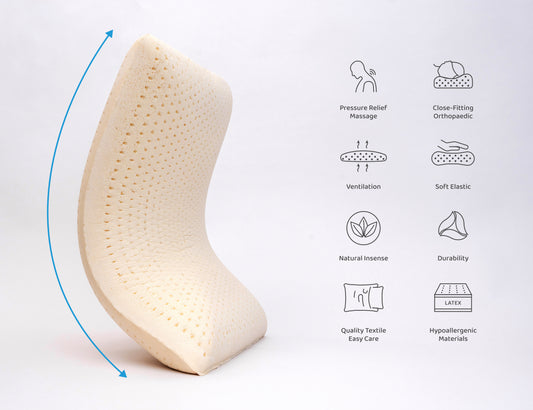
Researchers in environmental health note that even small improvements in bedroom air hygiene can reduce nighttime inflammation and improve sleep efficiency. That’s where natural materials make a measurable difference. Natural latex, for example, has an open-cell structure that allows constant airflow, helping the pillow stay dry and resistant to the buildup of dust mites and mold. It’s also naturally hypoallergenic and antimicrobial, meaning it doesn’t require chemical treatments to remain clean.
Because latex breathes, it regulates humidity and temperature around your face, supporting steady, unlabored breathing through the night. For many people, that translates into fewer interruptions in sleep cycles and a clearer, calmer feeling on waking.
Clean air isn’t just about purifiers or open windows — it starts with what you rest your head on. A pillow that stays fresh and dry can quietly transform the quality of your sleep and the way you feel in the morning.